

It's all about joining the dots... but how do we do that?

On Thursday 19th November, our director, Dr Amy Such, was invited to join a panel discussion at The Schools & Academies Show 2026. The topic?
Schools are Just One Part of the Puzzle: Working with Partners to Deliver Better Outcomes
The panellists came from a variety of backgrounds, leading to a varied discussion including working with your Local Authority and understanding your Local Offer, thinking beyond mainstream schools to specialist provisions, alternative provisions (APs) and bridging the gaps in between, and considering life beyond school, including support into employment.
Coming from an Educational Psychology (EP) perspective, Amy spoke about the importance of joining the dots and bringing the key stakeholders together within the school system. Specifically, she focused on external professionals, internal processes and families.

1) Working with external professionals
As an EP, this felt like a logical starting point. Amy highlighted the power of bringing external professionals together for joint up thinking. Whilst this plan might never have quite materialised within the EHCP process, Amy used pragmatism to invite the SENCos in the audience to consider hosting just one termly planning meeting, attended by all their supporting agencies; EP, Speech & Language Therapist, Occupational Therapist, Specialist Teacher... the list could go on!
The opportunities
Reduced SENCo time spent hosting back-to-back meetings talking about the same child but with a different professional
Increased awareness amongst professionals around involvement, allowing for the identification of gaps and the avoidance of duplication
A more holistic view of the child, possibly resulting in 'in-the-moment' next steps that might remove the need for costly assessment
The barriers
A slightly longer time commitment per professional (but increased knowledge in the process, leading to more efficient case work)
Busy work schedules resulting in limited (or no!) shared availability
The solution?
Amy encouraged SENCos to get a date in the diary now! Don't wait until the end of the Autumn Term to request a Spring Term planning meeting. Send out that mass email now and secure a date before diaries start to fill!
2) Know your system
Next, Amy's focus turned to internal processes. She reflected on the fragmented systems fostered by many schools (particularly secondary schools). She commented on the overlap in presenting needs, yet the 'black-and-white' approaches taken to divvy up students under, for example, the SEND Team, Pastoral Team, Safeguarding Team or Attendance Team. Thinking in this way often results in students being 'owned' by a department. How often have you heard a member of staff say "oh, they're a SEND child" or "they fall under Attendance"?
And it doesn't just happen to the kids. It happens to the professionals too! Looking at her own relationships with schools, Amy felt that she is regularly very much 'owned' by the SEND department and that this limits the access she has to certain children, so much so that school staff have commented on this previously.
The solution?
Another invitation from Amy; this time to look at the internal channels of communication within your setting and to think about how these can be improved to support joined up working internally, before reaching out to external professionals.

3) Supporting parents
Ultimately, Amy concluded that the most important stakeholder in her work is the parent or carer. Whilst there are occasions where parents might present as challenging to work with (maybe rude, aggressive or disruptive), Amy posed that the majority of parents are only ever doing what they believe to be in the best interests of their child, motivated by love.
Amy explained the importance of positioning a parent as the expert of their child, of listening to their lived experience and of validating what they have to say. Adopting a similar approach to emotion coaching, Amy pointed out that whatever a parent is communicating, that is their truth. You might not agree with it, but it doesn't change the fact that this is how they are experiencing a situation and their experience is equally valid to everyone else's.
The solution?
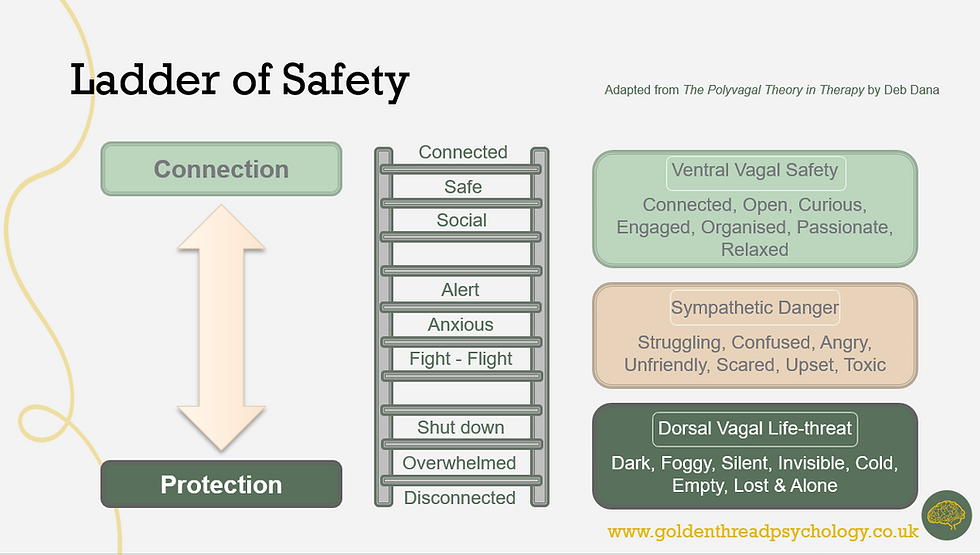
Under the hectic, high pressured systems in which we work within education, Amy made one simple suggestion: take a breath. Amy encouraged the audience to take a deep breath in and connect with their intentions. Remind yourself of why you went into the profession in the first instance - to support children, to care for children, to inspire children! Then remember that first and foremost, we're all human! Bring into your mind that human response to pain, anxiety, frustration, confusion. Demonstrate empathy to your parents.
In order to create a joined up system, we must prioritise relationships, and to do that, we must give space, show respect and truly listen.


Comments